
Burriin means shield.
A Kamilaroi word, carried into a risk framework built to protect the people mainstream systems were never designed to see.
The Burriin Workplace Systems Framework
The Burriin Workplace Systems Framework is the methodology that underpins every engagement we deliver. It was developed to solve one problem: organisations can’t control psychosocial hazards they never identify.
Burriin was built on a simple idea. Most organisations don’t have a control problem. They have a visibility problem.
You can’t control a hazard you haven’t identified. You can’t identify a hazard your consultation process hasn’t surfaced. And you can’t improve outcomes your measurement systems can’t see.
The framework doesn’t replace the systems you already have, it extends them, adding the visibility layer most psychosocial risk processes assume already exists. It’s designed to strengthen compliance with contemporary psychosocial health and safety obligations while improving the quality of organisational consultation.
Governance
Clear organisational commitment and accountability for psychosocial risk, set from the top.
Visibility
Structured identification of hazards, including the sixteen standard hazards and the five First Nations hazards our model adds.
Action
Controls, responsibilities and evidence are built from the hazards actually identified, creating a defensible system rather than a generic action plan.
Impact
Evidence of what changed, feeding back into governance so the system keeps improving rather than resetting each year.
Every stage generates evidence that demonstrates how psychosocial risks were identified, assessed, controlled and reviewed. Each stage feeds the next, and the evidence from Impact feeds back into Governance, so the system keeps improving rather than resetting every year.
Visibility starts with trust
Policies tell you what an organisation expects. Consultation tells you what people actually experience. The gap between those two is often where psychosocial risk lives.
That gap runs wider again for First Nations employees. Cultural responsibility, community connection and identity are not psychosocial hazards in themselves. They become risks when workplace systems fail to recognise, support or account for them.
Genuine consultation depends on trust, and trust runs in both directions. First Nations workers need to feel safe raising what they experience. The people asking the questions, often not First Nations themselves, need to feel equipped to ask them properly. Burriin’s approach is built around that principle: invite, don’t interpret. Consultations are conducted confidentially, because that’s what produces honest answers, not a name attached to a disclosure.
Burriin operates under Mob Supporting Mob principles across all of its work. First Nations businesses, community organisations, and ACCOs are engaged on terms that reflect community relationships, not just commercial ones.
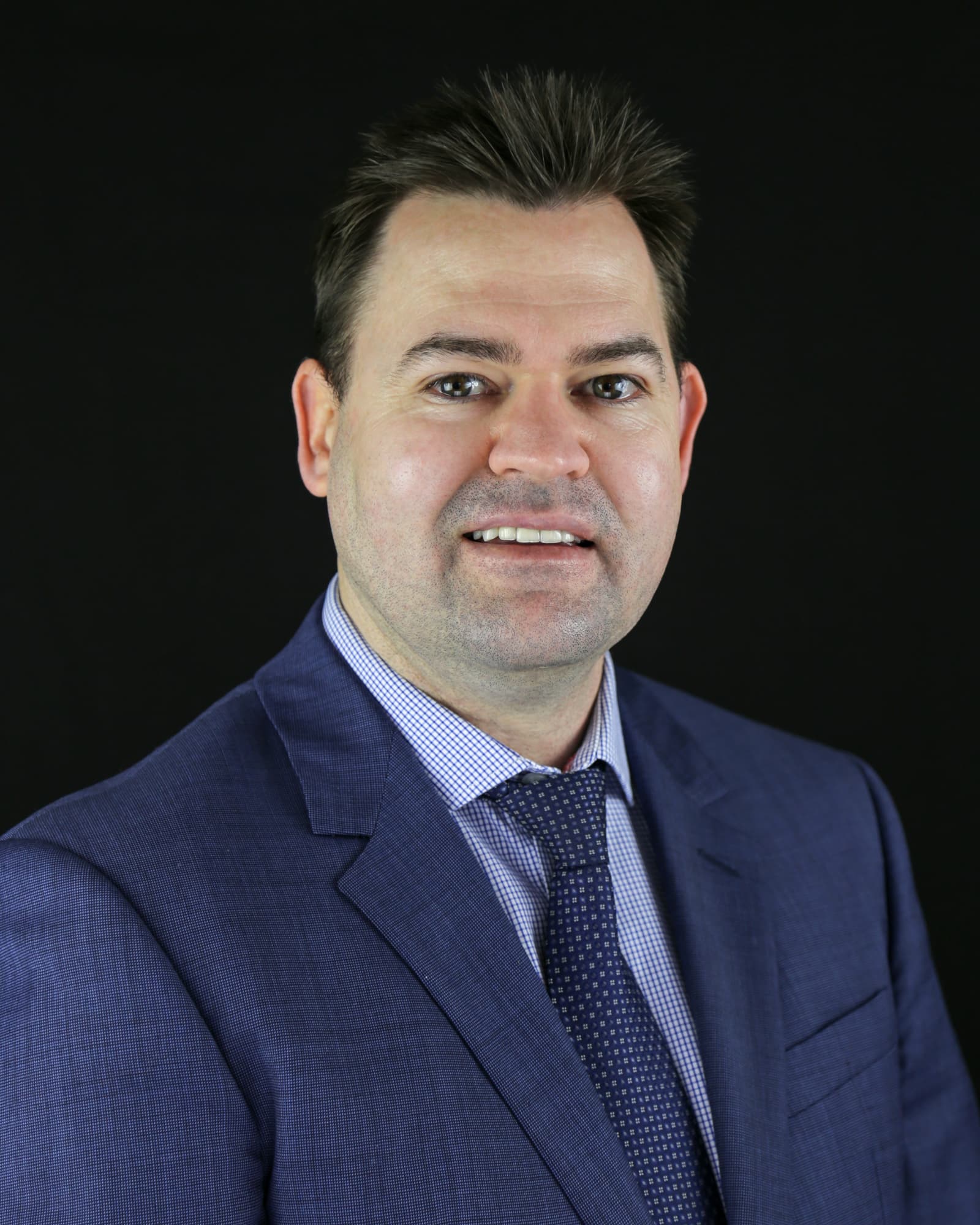
Built on lived experience and two decades in corporate leadership
Burriin Risk Systems was founded by Jarrod McKenzie, a Kamilaroi man from Moree, NSW, after recognising that many psychosocial risk systems were technically compliant, yet still failed to identify the workplace experiences many First Nations workers were carrying.
Before founding Burriin, Jarrod spent over 20 years in senior corporate leadership roles across the Asia-Pacific region and Africa.
That combination, a cultural lens, a compliance framework, and two decades of systems thinking, is rare. It’s intentional: it’s what lets Burriin build a methodology that holds up under both cultural and regulatory scrutiny.
Jarrod is also Vice President at Life Skills Victoria, and Burriin is a Supply Nation registered and Kinaway Chamber of Commerce member business.
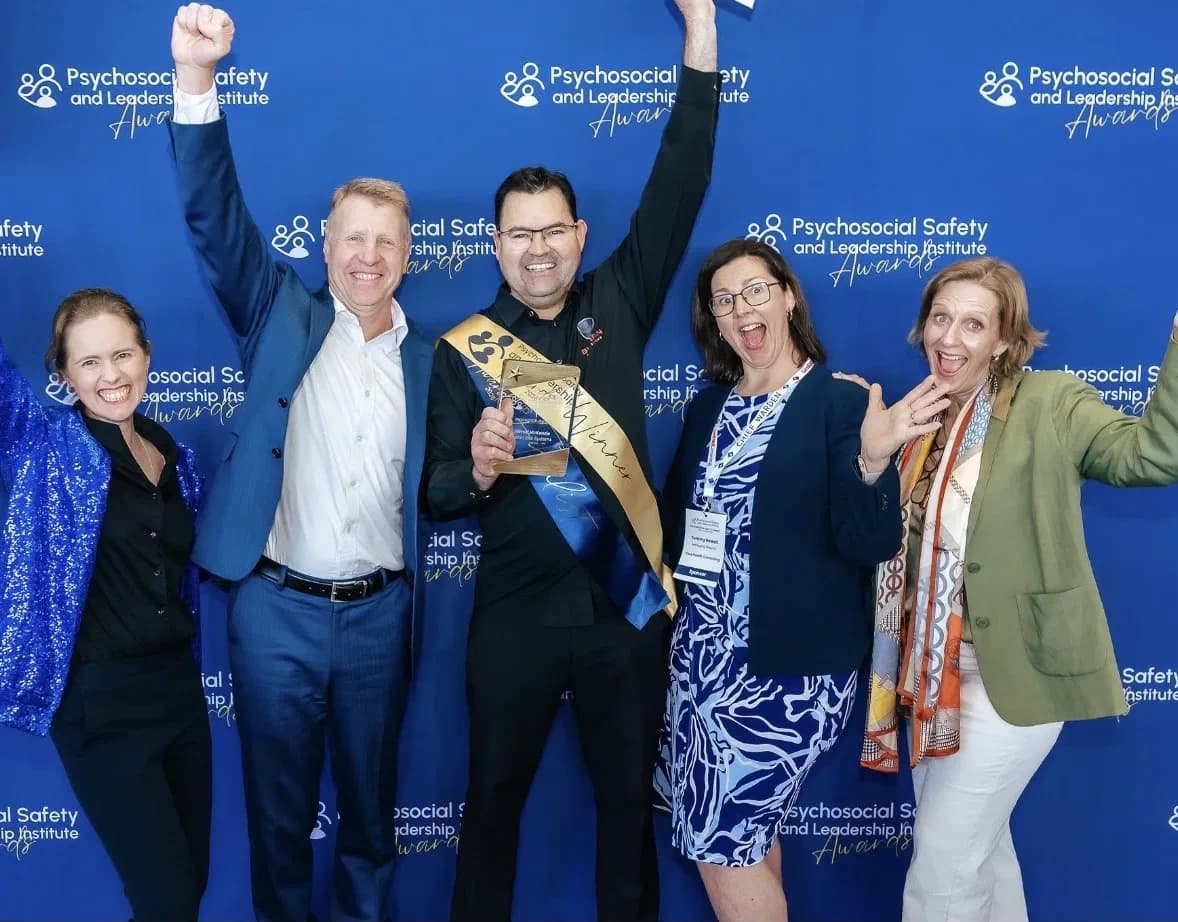
2026 Psychosocial Safety and Leadership Institute Awards
Burriin Risk Systems won the Innovation in Psychosocial Risk Management category at the 2026 Psychosocial Safety and Leadership Institute Awards, presented in Tweed Heads on 10 September 2026. The award recognised the Culturally Informed Psychosocial Risk System, which defines First Nations-specific hazards including cultural load, identity strain and community weight as psychosocial hazards, and maps them alongside a control library with a First Nations lens integrated throughout.
The judges highlighted the integration of First Nations-specific hazards and culturally informed controls into risk management frameworks, and said they would like to see the program implemented throughout all Australian jurisdictions.
See the method applied
The framework isn’t theory. It’s how Burriin helps organisations identify what standard consultation often misses, then build the evidence that those risks are being managed.